What is the process of removing black magic?
Removing Black Magic
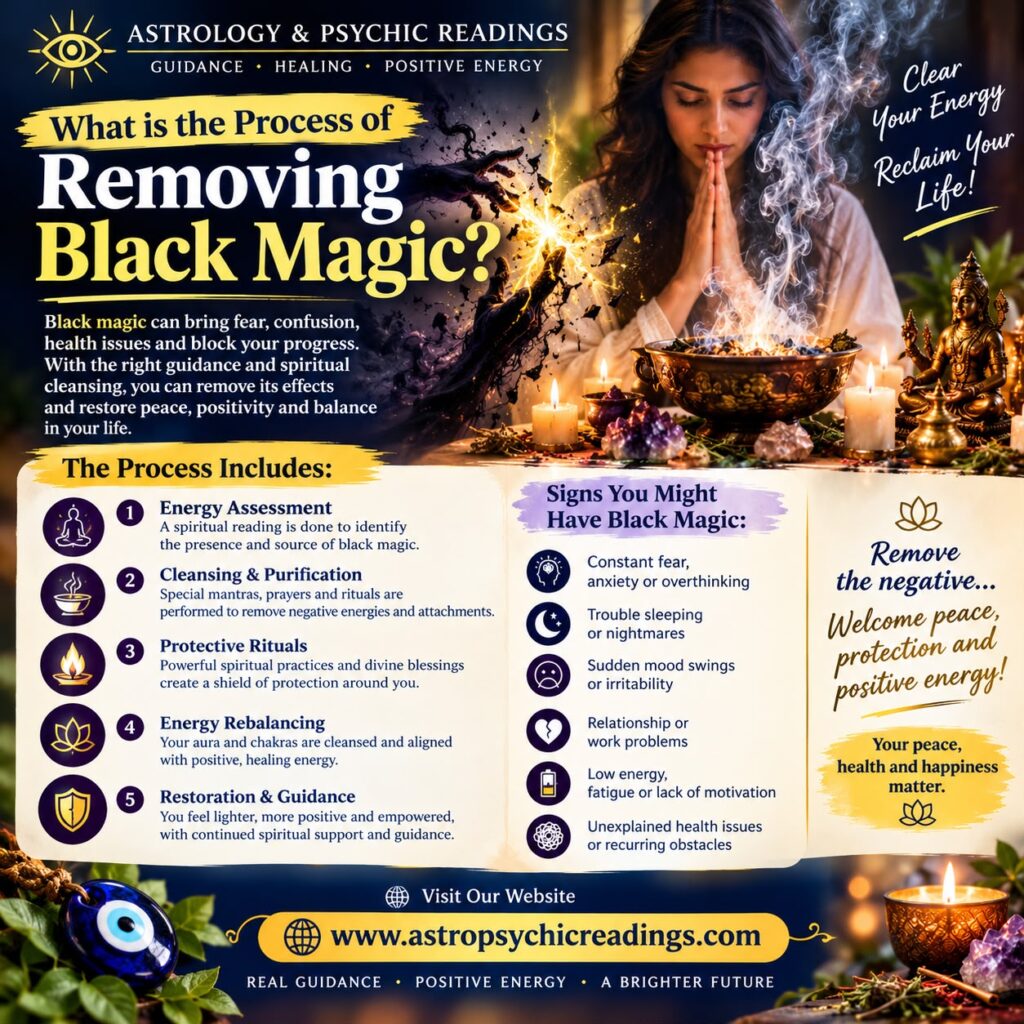
As a spiritual healer, I believe that the process of spiritual cleansing begins with understanding the person, their circumstances, and what they hope to restore in their lives. Across different spiritual traditions, people have turned to prayer, purification, meditation, and protective rituals when they feel unsettled, overwhelmed, or spiritually disconnected.
The term black magic is used in some cultures to describe the belief that supernatural practices can be used to cause harm. Western spiritual traditions and Vedic Indian traditions approach these concerns in different ways, but both include practices intended to encourage protection, purification, and spiritual balance.
It is important not to assume that every period of bad luck, family conflict, unusual dream, or emotional difficulty is caused by black magic. As a healer, my role is not to create fear or convince someone that they have been cursed. My role is to offer compassionate support and help them find a sense of peace, clarity, and control over their lives.
1. Understanding the Person’s Concerns
The first step is listening.
When someone comes to me worried about black magic, I would begin by asking what has been happening and what has led them to seek spiritual guidance. Perhaps they have experienced a difficult period in their relationships, feel uncomfortable in their home, or are searching for meaning during a time of uncertainty.
Rather than immediately attributing these experiences to a spiritual cause, I would consider the person’s circumstances as a whole. Stress, grief, disrupted sleep, conflict, and other everyday challenges can affect how we feel and interpret events.
In a spiritual setting, this initial conversation provides an opportunity to understand the person’s beliefs, values, and hopes. It also allows us to discuss a spiritual practice that is comforting, respectful of their tradition, and appropriate for their needs.
2. Spiritual Cleansing in Western Traditions
Western spiritual practices are diverse, ranging from Christian prayer and blessings to folk traditions and modern forms of energy work. There is no single Western method for removing what a practitioner might describe as negative spiritual influence.
Some traditions use prayer, while others incorporate meditation, symbolic cleansing, blessings, or rituals intended to mark a fresh beginning.
For example, a person who follows a Christian tradition might find comfort in prayer, reading scripture, or asking a trusted religious leader for a blessing. In some Western esoteric traditions, practitioners use symbolic purification and protective visualisation as part of their spiritual practice.
The purpose of these activities is to help the individual feel grounded, supported, and spiritually connected.
A cleansing ritual may also include tidying a room, opening the curtains, allowing fresh air into the home, and setting aside quiet time for reflection. These ordinary actions can help create a calmer environment while giving the person a meaningful sense of renewal.
3. The Vedic Approach to Spiritual Protection
In Indian spiritual traditions, purification and protection may be approached through practices such as puja (worship), mantra japa (repetition of sacred mantras), meditation, and prayer.
Vedic and broader Hindu traditions are diverse, so the practices and explanations vary between families, regions, and religious lineages.
A practitioner may begin with a personal prayer or sankalpa, an intention that gives the practice its purpose. The intention might be to seek peace, clarity, protection, or strength during a difficult period.
Puja may involve offerings such as flowers, water, or a lamp, depending on the tradition. Mantra recitation can provide a structured focus for devotion and meditation. Some people also visit a temple or seek guidance from a knowledgeable religious teacher.
These practices are not proof that black magic has occurred, nor can their results be guaranteed. They can, however, be meaningful ways for believers to express faith, cultivate calm, and reconnect with their spiritual community.
A respectful Vedic approach should focus on devotion, balance, and wellbeing rather than frightening a person with claims that an unknown individual has caused supernatural harm.
4. Cleansing the Home and Personal Space
People who feel spiritually unsettled sometimes find it helpful to make their home feel peaceful and welcoming again.
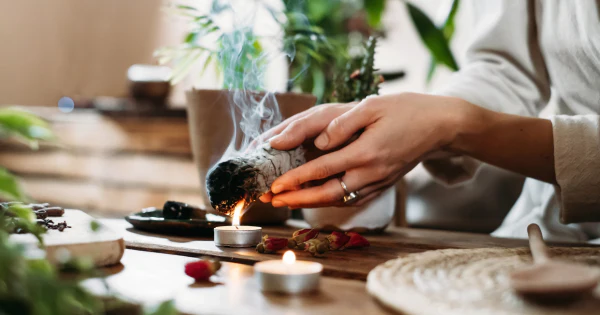
Depending on their beliefs, they might pray, offer a blessing, meditate in a quiet room, or create a small space for reflection. In some traditions, incense or other ceremonial objects are used, although these practices are not universal and should be approached with respect for their cultural context.
From a practical perspective, cleaning and organising a room, improving ventilation, reducing unnecessary noise, and creating a regular time for rest can also make the home feel more comfortable.
The purpose is not to search for mysterious objects or treat ordinary belongings as evidence of a curse. It is to create an environment in which the person feels safe, settled, and able to move forward.
5. Prayer, Meditation, and Spiritual Intention
Prayer and meditation are central to many spiritual cleansing practices.
A person might pray according to their own faith, repeat a familiar mantra, practise slow breathing, or spend a few minutes reflecting on what they want to release and what they want to welcome into their life.
The words themselves do not need to be elaborate. What matters is that the practice feels meaningful and does not increase fear.
From a healer’s perspective, spiritual intention can help someone shift their attention away from helplessness and toward the things they can influence: their choices, boundaries, relationships, daily habits, and sources of support.
6. Restoring Balance After a Difficult Period
Spiritual cleansing is sometimes described as removing something unwanted. However, many traditions also emphasise what should follow: renewal, balance, and positive action.
This may mean reconnecting with family or friends, establishing healthier boundaries, spending time in nature, returning to a meaningful spiritual routine, or addressing a problem that has been causing ongoing stress.
For someone following a Vedic tradition, devotional practice may be part of this process. For someone following a Western religious or spiritual path, prayer, reflection, or a blessing may be more appropriate.
There is no need to combine traditions or use every available ritual. A person’s own beliefs and cultural background should guide the choices they make.
A spiritual practice should leave someone feeling supported and more capable of managing their life, rather than increasingly frightened or dependent on a healer.
7. Maintaining a Sense of Spiritual Protection
Many spiritual traditions include regular practices intended to maintain a sense of protection and connection.
These may include prayer, meditation, attending religious services, reciting familiar mantras, or taking time each day to reflect on gratitude and personal values.
Practical boundaries matter, too. If a relationship is causing distress, a person may need to communicate clearly, seek advice from someone they trust, or distance themselves from unhealthy behaviour.
8. Knowing When to Seek Further Support
A responsible spiritual healer recognises the limits of spiritual guidance.
If a person is frightened that someone has cursed them, I would listen without dismissing their feelings, but I would not claim certainty about a supernatural cause. I would encourage them to focus on what they have directly experienced and what practical steps could improve their circumstances.
If they feel unsafe because of a real threat, they should seek appropriate help. If fear is interfering with daily life, sleep, or relationships, support from a trusted person or qualified professional may also be beneficial.
Spiritual guidance should never require someone to abandon medical care, isolate themselves from loved ones, accuse another person without evidence, or put themselves at risk.
A Final Word
In my view, spiritual cleansing should be approached with compassion, patience, and respect for the individual’s beliefs. Western spiritual practices and Vedic traditions offer different ways of expressing devotion, seeking protection, and finding renewal.
The process does not need to begin with fear. It can begin with listening, prayer, reflection, and the decision to create a healthier and more peaceful environment.
Rather than promising to remove a curse or guaranteeing a particular outcome, I would encourage a person to see spiritual practice as one possible source of comfort and strength.
Ultimately, the goal is to help people feel more grounded, reconnect with their values, and move forward with greater confidence. Whatever spiritual path someone follows, genuine support should empower them—not make them afraid of the world around them.
Negative Energy Removal Experthttps://www.astropsychicreadings.com/negative-energy-removal-protection.html
When life feels difficult, you may notice that you are more tired than usual, that your thoughts seem heavier, or that you struggle to find peace even when nothing obvious appears to be wrong. You may feel emotionally drained after certain interactions or find that your home no longer feels as comforting as it once did.
In spiritual traditions, these experiences are sometimes described as negative energy. However, it is important to understand that feeling low, anxious, or overwhelmed does not automatically mean that something negative has attached itself to you. Stress, lack of sleep, relationship difficulties, and everyday pressures can affect how we feel, too.
From a spiritual perspective, I encourage people to approach these experiences with curiosity rather than fear. The purpose of recognising negative energy is not to search for something to blame. It is to understand what may be affecting your sense of peace and discover ways to restore balance.
1. Feeling Emotionally Drained
One experience people commonly associate with negative energy is feeling emotionally exhausted.
You might notice that certain conversations leave you feeling overwhelmed or that you need quiet time after spending a great deal of time around others. You may also feel as though you have very little energy left for the activities you normally enjoy.
In some Western spiritual traditions, this is described as an energetic imbalance or feeling energetically drained. In certain Indian spiritual traditions, people may use concepts such as prana, the life force associated with vitality, to discuss the relationship between energy, breath, and wellbeing.
These concepts are understood differently across traditions and should not be treated as proof that another person has taken or damaged your energy.
As a spiritual healer, I would encourage you to notice your patterns. Are you getting enough rest? Are you taking on too many responsibilities? Are there relationships in which you feel unable to express your needs?
Sometimes, the first step toward feeling better is giving yourself permission to rest and establish healthier boundaries.
2. Feeling Unusually Heavy or Unsettled
Another experience people may describe as negative energy is a persistent feeling of heaviness, uneasiness, or inner restlessness.
You may find it difficult to relax, feel unsettled in your surroundings, or struggle to enjoy moments that would normally bring you comfort.
In spiritual settings, these feelings may encourage someone to reflect on their emotional and spiritual wellbeing. A person might choose to pray, meditate, spend time in nature, or reconnect with a spiritual practice that has meaning for them.
However, an uncomfortable feeling is not reliable evidence of a curse, black magic, or an external spiritual influence. It is worth considering ordinary explanations, too, including stress, changes in routine, and unresolved worries.
Rather than immediately asking, “What negative force is affecting me?”, try asking, “What might I need right now to feel safe, calm, and supported?”
That small change in perspective can help you approach the situation with greater clarity.
3. Experiencing Repeated Stress or Difficulties
Some people begin to worry about negative energy when several difficult experiences occur close together.
Perhaps you have had disagreements with people you care about, encountered unexpected setbacks, or felt that several areas of your life have become more challenging at once.
In some spiritual traditions, these periods may be interpreted as invitations to reflect, seek guidance, or renew one’s spiritual practices.
In Vedic philosophy, ideas about karma, personal conduct, spiritual discipline, and the consequences of actions are complex and vary between schools of thought. They should not be reduced to the claim that every difficulty is caused by negative energy or that someone deserves the hardship they experience.
Life naturally includes uncertainty and challenging periods. A series of setbacks does not establish that someone has placed a curse on you.
As a healer, I would encourage you to look at each situation individually. Consider what is within your control, what support might help, and whether any practical changes could make the circumstances easier to manage.
Spiritual reflection can accompany those steps without replacing them.
4. Feeling Uncomfortable Around Certain People
Have you ever finished a conversation feeling upset, tense, or emotionally exhausted?
Many people use the expression “negative energy” to describe this experience. In Western spiritual language, you may hear the term energetic boundaries. In everyday terms, this can refer to recognising how interactions affect your feelings and deciding what boundaries you need.
Vedic traditions also include teachings about ethical conduct, self-discipline, compassion, and the company one keeps. These ideas can encourage people to reflect on whether their relationships support their wellbeing.
The important distinction is that feeling uncomfortable around someone does not prove that they possess harmful energy or are practising black magic.
Instead, pay attention to observable behaviour. Does the person repeatedly disrespect your boundaries? Do you feel pressured, criticised, or unable to speak openly? Are your needs being ignored?
If a relationship consistently leaves you distressed, it may help to communicate your concerns, limit difficult interactions, or seek advice from someone you trust.
You do not need to label another person as spiritually harmful to protect your peace.
5. Changes in Your Home Environment
Some people associate negative energy with a home that feels tense, uncomfortable, or emotionally unsettled.
Perhaps there has been conflict in the household, a recent loss, or a period of stress that has affected everyone living there. Sometimes, the atmosphere of a home can seem to reflect the emotional circumstances of the people in it.
In Western spiritual traditions, some people use blessings, prayer, or symbolic cleansing to mark a fresh beginning. In Hindu traditions, household puja and other devotional practices may help people reconnect with their faith and create a meaningful sense of peace.
You might also open the curtains, tidy a room, let in fresh air, play calming music, or create a quiet place for prayer or meditation.
These activities can make your surroundings more comfortable and support a sense of renewal. They do not establish that the home contains negative spiritual energy.
A home should be a place where you can feel supported. If tension comes from ongoing disagreements or practical problems, addressing those concerns directly may be just as important as any spiritual practice.
6. Losing Your Sense of Inner Peace
From a spiritual perspective, one of the most useful things to notice is whether you feel connected to yourself and your values.
You might find that you have stopped making time for prayer, meditation, reflection, or activities that once brought you joy. You may feel distracted by worries or disconnected from the people and experiences that usually give your life meaning.
Some spiritual healers describe this as feeling out of balance.
In Vedic traditions, meditation, mantra recitation, and devotional practices may help a person cultivate attention, discipline, and a sense of connection. Western spiritual approaches may include prayer, contemplation, mindfulness, or spending quiet time in nature.
You do not have to follow a particular religion to benefit from taking a moment to reflect on what matters to you.
Try asking yourself: Have I been looking after my emotional needs? Have I had enough time to rest? Am I giving too much of myself to other people without allowing time for my own wellbeing?
These questions can help you identify areas of life that may need attention.
7. How Can I Clear Negative Energy?
If you feel unsettled and would like to take a spiritual approach, begin with simple practices that feel safe and meaningful to you.
Create a quiet moment. Sit comfortably, take a few slow breaths, and allow yourself time away from distractions.
Use prayer or meditation. If you follow a religious tradition, a familiar prayer or devotional practice may help you feel grounded. If you prefer a nonreligious approach, try a short mindfulness exercise.
Refresh your surroundings. Tidy your living space, open a window when appropriate, or create a peaceful area where you can reflect.
Set healthy boundaries. Notice which responsibilities and relationships are causing stress. Give yourself permission to say no when necessary and seek support when you need it.
Reconnect with supportive people. Spend time with friends, family members, or community members who respect your feelings and encourage your wellbeing.
Look after your physical health. Regular rest, nourishing meals, movement that feels comfortable, and a consistent routine can all contribute to your sense of wellbeing.
You can incorporate spiritual practices into these steps without needing to believe that a supernatural problem has occurred.
If feelings of exhaustion, anxiety, sadness, or uneasiness persist or interfere with daily life, consider speaking with a qualified healthcare professional. Seeking that support does not mean abandoning your spiritual beliefs.
A healthy spiritual practice should help you feel calmer, more confident, and more connected to your life.